




2023-04-18
National Audit Office: landfilling could be reduced through better sorting and more efficient infrastructure
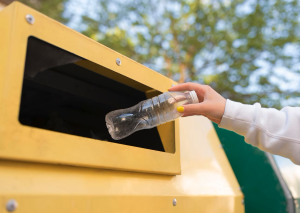 Residents' involvement in household waste management is increasing, but needs to be higher, so a greater motivation to separate waste is necessary. The infrastructure for the collection and treatment of municipal waste is not capable of ensuring that the objectives for the management of this type of waste are met. These are the results that are reflected in the audit "Municipal Waste Management" carried out by the National Audit Office.
In 2021, Lithuania's household population generated 1.345 million tonnes of municipal waste, of which about 54% is unsorted or mixed municipal waste left over after sorting. Due to the use of non-recyclable materials for products and packaging, improper management of the waste generated and improper sorting by the population, 680,000 tonnes (50.52%) were incinerated for energy or disposed of in landfills.
"If all Lithuanians properly sorted the waste they produce at home, landfilling of recyclable waste would be significantly reduced. Unfortunately, the audit shows that residents lack the motivation to do so. In addition, infrastructure for separate collection of waste (e.g., textiles, food and kitchen waste) should be further developed," says Mindaugas Šalčius, Head of Performance Audit Department 3.
According to the audit, the share of the population sorting municipal waste increased from 40 % in 2016 to 60 % in 2021. A greater incentive for sorting would be provided if all municipalities set the fees for municipal waste management on the basis of the actual amount of waste.
in order to reduce the amount of waste landfilled and to limit the disposal of waste that is not suitable for other uses, by collecting and treating municipal waste generated, it is necessary to ensure the separation of biodegradable waste and other secondary raw materials. This requires infrastructure for the collection of food and kitchen waste, secondary raw materials and efficient facilities for the treatment of mixed municipal waste. On average, only 2.86 % of mixed municipal waste treated in mechanical-biological treatment facilities was prepared for recycling in 2021.
The information provided by municipalities on municipal waste management systems is incomplete. The supervision and control of the municipal waste management process is insufficient as the correctness of the data provided by the waste management entities is not assessed.
Following the implementation of the recommendations made by the National Audit Office in this audit, the proportion of municipal waste prepared for re-use and recycled should reach 55 % by 2025. (This proportion was 44.33 % in 2021).
Public Audit Summary: Municipal waste management