


2018-12-06
The Hazardous Waste Management System Contains Gaps for Misuse
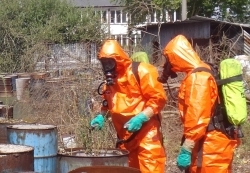
Lithuania generates approximately 163,000 tonnes of hazardous waste each year, the transportation of which would require more than 8,000 vehicles. However, the audit “The Management of Hazardous Waste” conducted by the National Audit Office has shown that the Lithuanian system of the identification, collection, use, and elimination of waste has shortcomings, resulting in the occurrence of circumstances conducive to misuse by managers.
“Improperly managed hazardous waste can pollute the soil, leak into groundwater, and cause harm both to the environment and human health. It is precisely for this reason that such waste should be isolated from the overall stream thereof, and managed in a safe manner. During the audit, however, we’ve identified a number of gaps in the hazardous waste management process, which may result in serious hazards both to the natural environment and ourselves,” said Mindaugas Milčiūnas, Deputy Director of the Economy Audit Department.
According to the auditors, almost half of the hazardous household waste, such as household chemical products, varnishes, paint, etc., ends up in the stream of municipal waste together with other types of waste. Regrettably, residents don’t recycle all types of waste, and municipalities fail to perform the following obligations: 42 percent of municipalities fail to collect hazardous waste directly from residents, and in two municipalities the number of large-scale waste collection sites is only half of what it should be.
The audit results have revealed that waste managers specify inaccurate waste management prices, which are not reflective of the actual management costs, in their decommissioning estimates. Some waste managers store larger amounts of hazardous waste than have been specified in respective permits, which may negatively impact the environment and public health. It has been determined that waste managers exceed set amounts by 5,500 tonnes per year on average. Some companies exceed said amounts more than 20 times over.
According to the auditors, companies are routinely granted the right to manage hazardous waste without any assessment of the prospective spread of contamination. The National Public Health Centre lacks the means necessary for inspecting data on prospective contamination, and therefore assesses only the assumptions of calculation.
All waste managers engaged in the use and elimination of hazardous waste should hold guarantees ensuring the management of waste in case of the termination of operations. The amount of said guarantees must be calculated following the assessment of the price of waste management during the issue of the relevant guarantee. The specification of an incorrect amount of waste, and the price of the management thereof, poses the risk of the amount of the guarantee being insufficient to cover all the actual waste management costs. In such cases, the management of hazardous waste ends up being performed using state funds.
In 2012–2017, three waste managers terminated their operations and left 2,542 tonnes of unmanaged hazardous waste. The management of said waste may require 3.5 million Eur from the state budget.