


2016-05-30
More reimbursable generic drugs available, but public access to them not improving
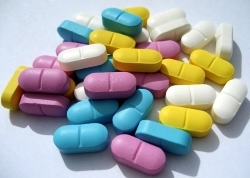
A public audit of access to medication has shown that achieving greater accessibility to generic drugs in Lithuania is still difficult because no clear policy has been established for their use. Users do not have enough information about generic drugs and in general about the possibility to choose less expensive drugs in pharmacies.
According to data form the National Health Insurance Fund, the public spent 54 million euros in co-payments as they purchased reimbursable drugs, i.e., a fifth of the total price of all reimbursable drugs. Calculations show that purchases of less expensive generic medication would lead to a 50% smaller co-payment amount – 27 million euros. Generic medication is important because it ensures quality treatment for patients at a lower cost. According to the European Commission, 25% is saved in costs after two years of generic drugs being available in a given market.
The public audit revealed that the range of available reimbursable generic medications has increased in Lithuania in the past year, however, accessibility to the drugs has not improved for the public because co-payment amounts have increased for patients. An analysis of a fourth of reimbursable drugs showed that in 2014, patient co-payments increased for 75% of medications, and 81% in 2015.
Auditors noted that when issuing reimbursable drugs, pharmacies did not always comply with the established policy of offering the cheapest medications. Analysis has shown that medications which require larger co-payments are issued more frequently. In addition to this, patients are not provided with sufficient information about generic drugs. Surveys have revealed that over half of respondents had not received any information about such medication.
"If users are not provided with comprehensive information and pharmacies refuse to issue cheaper medications, only more expensive drugs will be able to survive on the market. This would mean a greater financial burden on the public and greater national expenses", explained Laimonas Čiakas, head of the National Audit Office's Audit Department 1.
In Lithuania, reimbursable drugs are used by 1.2 million residents (40.5%). The majority (80%) of costs for purchasing these drugs is reimbursed from the Compulsory Health Insurance Fund. In 2012, the fund's costs for covering reimbursable drugs amounted to 176 million euros and increased to 198 million euros in 2015.
The supreme audit institution views positively the efforts of the Ministry of Health and the measures it has proposed for increasing accessibility to generic medication and public information in response to the recommendations issued by the auditors. The timely implementation of such measures can help ensure the quality treatment of a larger number of patients at a lower cost.
A generic drug is medication whose quantitative and qualitative active ingredients and pharmaceutical form is like that of the original medication, but which can be manufactured by other producers and whose price can be regulated by the state because of expired patent protection.