



2014-05-15
Lithuanian immovable cultural heritage of manors is in decline
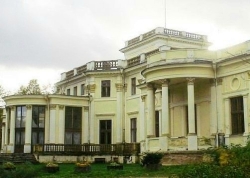 There were 554 immovable heritage objects of manors listed in the Register of Cultural Property at the end of 2012. The National Audit Office conducted an audit to evaluate organisation of the preservation of manor immovable cultural heritage during the period 2005-2013. "There are still a number of unresolved problems related to the recording and financing of manor immovable cultural heritage property and provision of support to manor managers. As a result, it is often unclear which objects are protected by the state and why and how they are protected. Also, not all documents for the preservation of heritage objects have been drawn up and the objects with proper documentation in place are not always protected observing the established heritage conservation requirements. About 80 per cent of manor immovable cultural heritage objects listed in the Register of Cultural Property are in poor physical condition and in decline,” said Auditor General Giedrė Švedienė summing up the audit results.
The audit revealed that the status of cultural heritage objects contained in the current Register of Cultural Property and the set goals are not always in line with the real cultural value of the objects, because the objects were transferred to this Register from the old one without having carried out their valuation. Also, research was conducted and valuable features were identified for a small number of immovable objects, so the recording of these objects is inaccurate and uninformative and the preservation priority is not always clear. There is a risk that the most valuable manor heritage objects will be lost. Due to such recording deficiencies, legal protection is applied to a number of decayed cultural heritage objects which are of dubious value in terms of heritage protection and involves monitoring of the objects and using material and human resources that could be allocated to the inspection of valuable objects.
Adequate protection of heritage is compounded by the fact that not all related legal facts are recorded in the Real Property Register, so their managers may not be aware that the objects are protected and thus carry out construction or reconstruction works without authorisation of the Cultural Heritage Protection Department.
It was also found that the immovable cultural heritage of manors is funded without clear priorities, resources are usually allocated for eliminating the critical status of manors and for indispensable maintenance. Afterwards, however, manors are decaying without due care and funding.
Auditors pointed out that manor managers are not sufficiently encouraged to take care of cultural property. There is a shortage of general information on the availability of funding for maintenance from other governmental institutions and other support. Managers of manors also lack methodological recommendations for the adjustment of manors for various purposes and examples of good practice.
It should be noted that about 74 per cent of manor immovable cultural heritage objects do not have integral territories, so a manor has several managers, which makes it difficult to take joint decisions on maintenance works due to different interests and financial situations of the managers. Also, protection regulations specifying what should be preserved and in what manner have not been drafted for 82 per cent of these objects thus preventing timely detection of irregularities and taking precautionary measures.
With a view to ensuring adequate recording, protection, maintenance, use of manor immovable cultural heritage and preventing potential loss of the most valuable objects, the National Audit Office issued recommendations to the Ministry of Culture and Cultural Heritage Protection Department.
Executive summary of the public audit report: Ensuring preservation of the immovable heritage of manors 