


2014-03-31
National Audit Office: prerequisites are required for providing quality and accessible health care for cancer patients
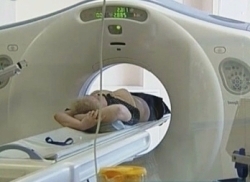
Cancer control measures have been implemented in Lithuania since 1993; however, the health indicators of the population have not been improving and the incidence of carcinoid tumours has been steadily increasing. Malignancy is the most common cause of death after cardiovascular diseases. The National Audit Office conducted an audit to assess the effectiveness of cancer control measures. “The assessment of the situation over the period 2010-2012 showed that there are no prerequisites for providing equal access to quality cancer diagnostic and treatment services. Also, cancer control measures are insufficient,” said Auditor General Giedrė Švedienė summing up the audit results.
The audit found that there is no clearly regulated sequence of the provision of diagnostic, treatment, and other important services to patients in place, and neither it has been defined who should offer help to cancer patients, when this help should be given and to what extent. Therefore, the services provided at specialized cancer diagnosis and treatment facilities also include those which can also be provided by district or regional hospitals and family doctors within their competence. For this reason, the examination of patients and the overall service provision time in specialized medical institutions has been taking increasingly more time. Moreover, no target indicators for the availability of cancer services have been set at the national level, namely, the time during which a person should get specialist doctor’s consultation, day care services, diagnostic treatment, or other services. Patients have to wait for certain tests and consultations by certain specialists (urologist’s, surgeon’s, dermatologist's consultations, instrumental examination) for two months and more.
Also, no common cancer diagnosis and treatment techniques applicable to all health care facilities institutions have been developed at the national level, which are the basis for proper diagnosis and treatment of oncological diseases in all stages of health care services. For this reason, different health care facilities follow different cancer treatment and diagnosis standards. Some facilities (the Hospital of Lithuanian University of Health Sciences Kaunas Clinics, the Oncology Institute of Vilnius University) have comprehensive diagnosis and treatment techniques for cancer diseases in place; however, they do not draw on the experience of these methodologies.
The auditors stated that no evaluation of the quality of cancer diagnosis and treatment services and the extent of the application of the most effective diagnostic and treatment methods (such as modern radiation therapy of cancerous tumours, combined treatment methods) has been carried out at the national level. Results of the services provided (for example, results of radical treatment of certain diseases, the number of relapses, complications) have not been assessed either.
No prerequisites for proper evaluation and prediction of cancer diseases have been provided in the country – there is no information system for collecting comprehensive data on cancer diseases and cancer patients (for example, no data is collected on the stages of an oncological disease, the treatment applied and its results), there is no body designated responsible for monitoring this data. No new Cancer Control Programme has been approved since 2011 and no national cancer control targets and means to achieve these targets have bee set – instead, only four selective health screening programmes have been carried out: cervical cancer prevention, breast, prostate, and colon cancer early diagnosis programmes.
The National Audit Office made recommendations to the Ministry of Health for ensuring the quality of cancer diagnosis and treatment services and improving the availability of these services, performing proper evaluation and prediction of the cancer situation in the country, and carrying out control of cancer diseases. The Ministry of Health started addressing a number of the listed problems already during the audit, the changes made are indicated in the audit report.
Executive summary of the public audit report: Performance of cancer health care 