



2013-09-09
National Audit Office: a mess in the waste management system
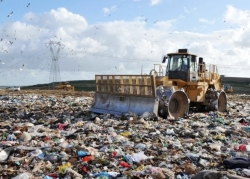
There are 10 regional waste management centres operating in Lithuania, which are supposed to ensure sustainable functioning of the waste management system. The waste management system should satisfy ecological, economic, and social expectations of the public. To be able to minimise the disposal of waste in landfills, first of all, waste generation should be avoided, and unavoidable waste should be reused, recycled or used otherwise. The National Audit Office conducted an audit aimed to assess whether the regional waste management system ensures proper waste management in regions.
Auditor General Giedrė Švedienė summed up the results of the audit as follows: “The audit showed that municipal waste disposed of in regional landfills is sorted improperly, municipalities do not have advanced systems for the collection of secondary raw materials, there are no biodegradable waste separation and recycling systems, regional waste management centres have different functions and responsibilities, municipalities apply different waste management and billing systems. This situation shows that Lithuania has to take measures to address waste management problems.”
The audit revealed that the operating waste management systems do not encourage the use and recycling of waste. Possibilities to sort waste by separating secondary raw materials and other recyclables vary from place to place, therefore the amount of landfilled municipal waste in 2009–2011 accounted for about 85 per cent, meanwhile the average EU amount of landfilled waste which is not recycled or recovered makes up approximately 35 per cent of total waste.
The auditors also found that there are no sufficient measures to separate biodegradable waste in the country, projects on mechanical biological treatment are delayed. If Lithuania fails to fulfil biodegradable waste management tasks, it can be subject to EU sanctions.
The waste management systems are difficult to manage and control, their performance results cannot be compared because of a big difference in the nature, functions, responsibilities and performance results of the centres, depending on municipal decisions and initiatives of the regional waste management centres.
A number of municipalities do not know and do not control the number of persons which should pay waste management fees in their territory. Also, there is a lack of information about the amounts of generated, collected and landfilled municipal waste and its composition, which may lead to unreasonable strategic decisions concerning the selection of waste management techniques.
The system of payment for waste management in regions does not encourage reduction of landfilled waste either. A comparison of charges and tariffs systems showed that municipalities which have chosen tariff billing system are less able to influence the distribution of fees for waste management than municipalities which apply charges; besides, waste management fees are not related to the actual amount of waste in many municipalities.
Moreover, the actual costs of waste management are not available in many regions, so it is not possible to compare these costs in different regions, and neither municipalities nor regional waste management centres are able to control and influence the actual waste management costs. Such situation gives a good reason to doubt whether the “polluter pays” principle has been made operational in practice and to suspect that conditions are provided for waste management companies to gain profit at the expense of excess amounts paid by waste holders’ for waste management.