


2026-11-11
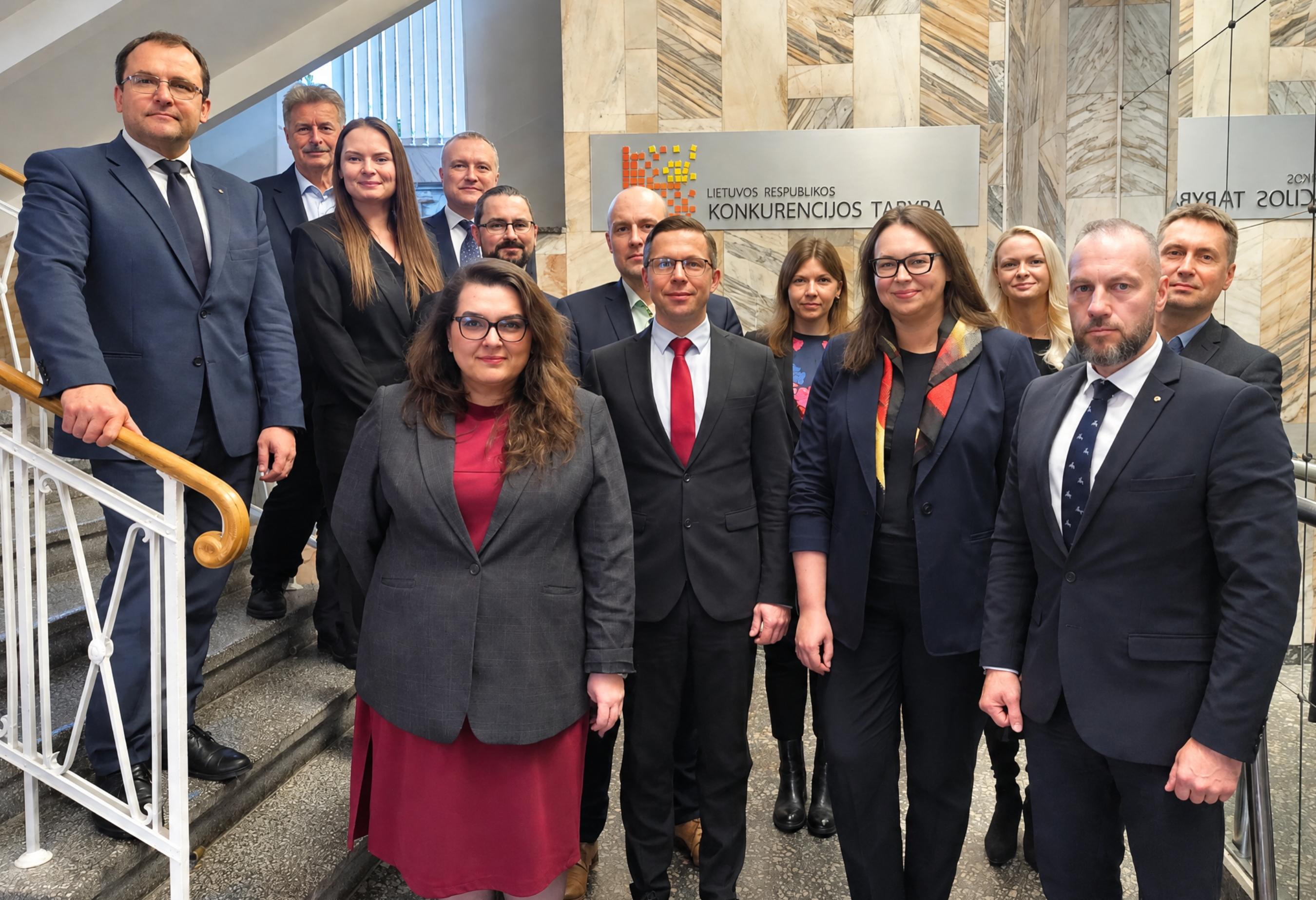 The efficient use of public funds in defence and other sectors, the effective prevention of infringements in public procurement, and the responsible management of public resources are inseparable from consistent cooperation and the exchange of information between institutions. These key topics were discussed at today’s meeting of heads and experts from the Competition Council, the Special Investigation Service, the Public Procurement Service, and the National Audit Office.
Representatives of the four institutions reviewed this year’s performance in priority sectors and shared insights on common directions for the coming year. It was emphasised that the sharing of expert knowledge, experience and up-to-date information is essential for identifying potential risks in a timely manner, preventing irregularities and ensuring the effective use of public funds, both in priority sectors and in other areas of importance to consumers and the state.
The meeting focused primarily on public procurement in the defence sector. With funding and procurement volumes on the rise, it is particularly important to ensure that public funds are used transparently and efficiently, and that the risk of potential infringements, including cartel agreements, is properly managed in public procurement.
The defence sector has been one of the Competition Council’s priorities for the past two years. The institution cooperates closely with the Ministry of National Defence, conducts training for its staff and those of subordinate institutions, and assesses the impact of draft legislation on competition.
Audits carried out by the National Audit Office show that the increasing scale of defence funding is placing new demands on procurement planning, monitoring, internal control and specialist capacity. Consequently, there was considerable discussion at the meeting on how to ensure proper process management.
The participants agreed that, given the rapidly growing importance of defence and the need to implement projects of national significance promptly, it is particularly important to strike the right balance between effective oversight and the speed of procurement procedures. The importance of expert assistance and consultancy was also emphasised, particularly in cases where it is necessary to reconcile the defence sector’s need to carry out procurement as swiftly as possible with the requirements of transparency, efficiency and fair competition imposed on these processes.
The event also addressed the exchange and analysis of data in the field of public procurement. For the Competition Council, such cooperation helps to identify potential agreements between suppliers and prevent infringements. Experts from the organisation presented practical examples to their colleagues of how data obtained from other institutions had helped to uncover prohibited agreements between suppliers in public procurement.
“The functions of our institutions and the investigations we carry out share common ground, therefore, closer cooperation allows us to combine different areas of expertise, share available information and identify potential risks as early as possible. By helping procurement organisers to manage these risks appropriately, we contribute to ensuring that the goods and services required by the state in the defence sector are procured in the most efficient manner possible, making the best use of public funds,” said Jolanta Ivanauskienė, Chair of the Competition Council.
The meeting participants agreed to further strengthen inter-institutional cooperation, improve processes for the exchange of information, share experience in the use of artificial intelligence tools, and seek solutions that would help ensure transparent, competitive and efficient public procurement, while contributing to the rational use of state resources.
Information provided by the Competition Council