


2026-10-14
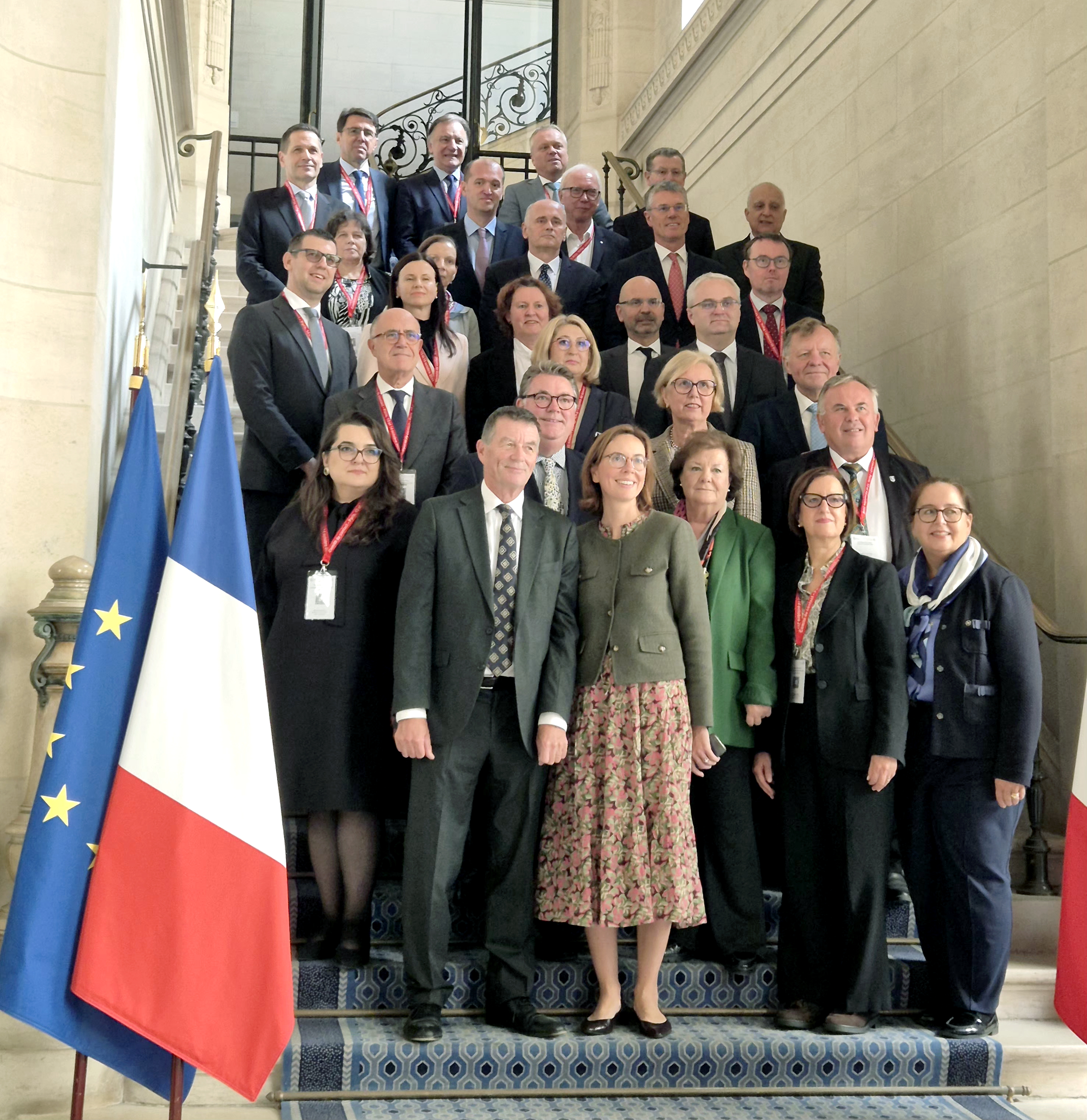 The annual meeting of the Contact Committee of the EU Supreme Audit Institutions (SAIs) took place in Paris, France. Auditor General Irena Segalovičienė and Lina Nuobarienė, Head of the Communications and International Relations Department, attended the meeting alongside the heads of SAIs from other EU Member States, Tony Murphy, President of the European Court of Auditors (ECA), Members of the European Commission and international experts, to explore whether the green transition is an imperative to strengthen the EU’s economy and strategic autonomy.
The theme of this year’s event reflected the EU’s aim to reconcile economic competitiveness, industrial policy and the green transition. In addition to expert presentations and discussions on the challenges posed by the green transition to the EU’s strategic autonomy and the role of SAIs in this process, European SAIs presented the results of their audits in three parallel breakout sessions on energy, circular economy, and agriculture, forest, water.
Lithuania’s experience in the field of energy audits
During the session on energy, which focused on the sector’s transformation, security and the soundness of investments, representatives of the SAIs of 13 EU countries and experts from the International Energy Agency (IEA) exchanged experiences. Auditor General Irena Segalovičienė was entrusted with the role of rapporteur at this session – she summarised the group discussions and the lessons learnt from the audits carried out and presented the final conclusions to the plenary session of all EU SAIs’ heads.
The aim of this session was to assess whether EU and national energy and climate targets are actually being met in practice, who bears the burden of the rising costs of the transition (the state budget or consumers), and how to avoid the risks of creating new dependencies.
“Today, the energy transition is not only a matter of the climate agenda, but also a prerequisite for national security and economic competitiveness. The role of the audit community is to ensure that public investment in the green transition builds genuine resilience, rather than becoming an additional burden on citizens or businesses,” said Auditor General Irena Segalovičienė.
Among other things, the Auditor General emphasised the importance of increasing resilience, as this involves more than just having sufficient energy supplies in the event of a crisis. It is the system’s ability to adapt solutions as circumstances change and to maintain vital functions while placing as little burden as possible on society. When auditing the energy sector, we must not only consider today’s costs and tomorrow’s risks, but also ensure that the energy transition becomes a source of national resilience rather than vulnerability.
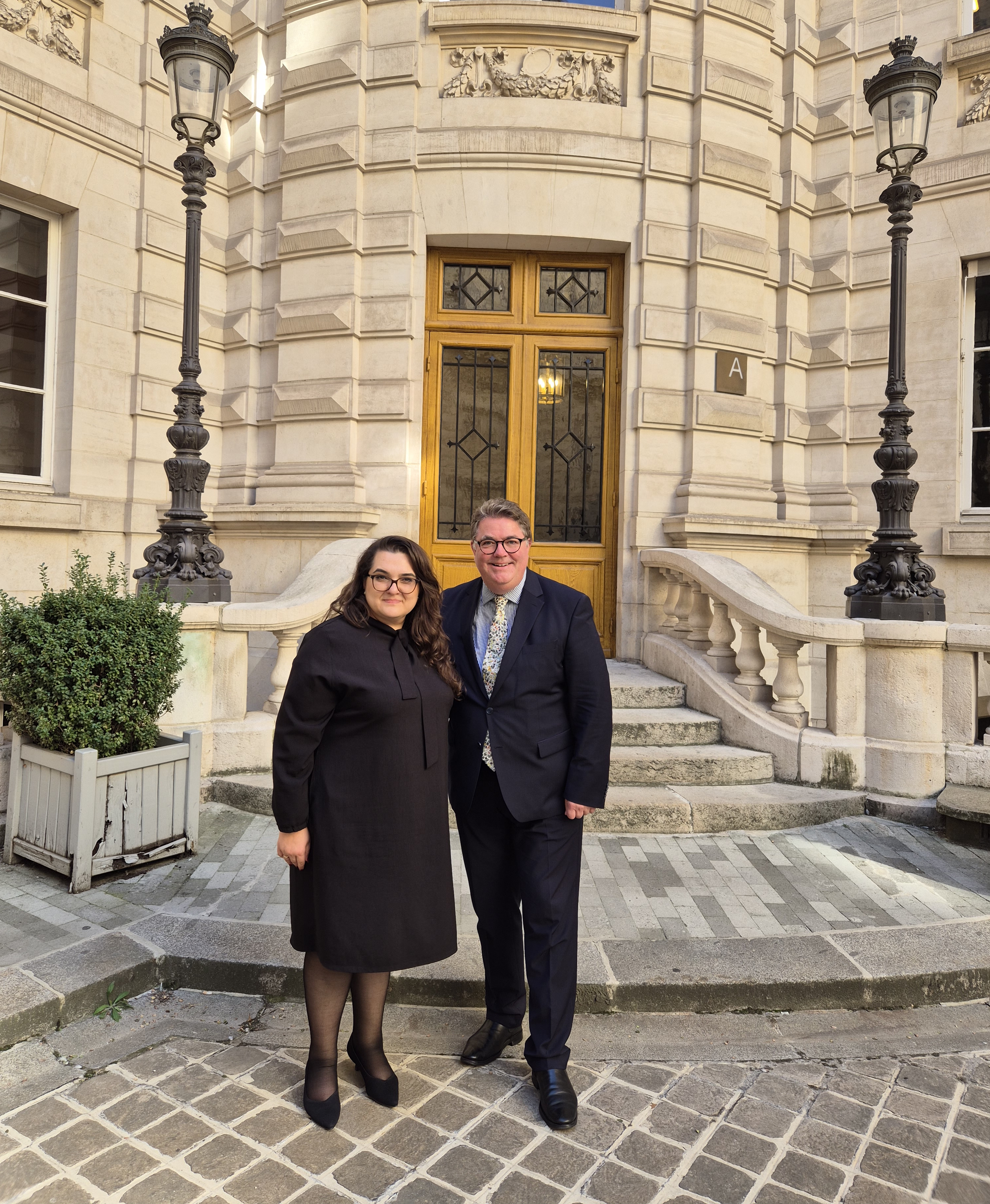 Bilateral meeting with the head of the German SAI
During the event, Auditor General Irena Segalovičienė also met with Ansgar Heveling, Head of the German SAI (Bundesrechnungshof).
During the bilateral meeting, they discussed the way forward and specific partnership in the field of defence audits, including the planned cooperative audit of medical support for the 45th Armoured Brigade. Preparations were also reviewed for the official visit to Vilnius by the head of the German Federal Audit Office and his delegation, scheduled for January 2027.
The heads of the Lithuanian and German SAIs exchanged views on the oversight of defence resource management – both countries emphasise that increased funding alone does not in itself guarantee better military capabilities if the necessary organisational changes are not implemented and the efficient use of funds is not ensured.
About the Contact Committee
The Contact Committee is an autonomous, independent and non-political forum comprising the heads of the supreme audit institutions of the EU Member States and the European Court of Auditors. Its aim is to strengthen dialogue and cooperation in audit and related activities, and to promote a common approach to audit and accountability issues.
The Committee provides an opportunity to cooperate directly with colleagues from various EU countries, sharing expertise, experience and best practice, with a view to achieving a more consistent and higher-quality assessment of the management of public funds across the European Union.