



2026-10-05
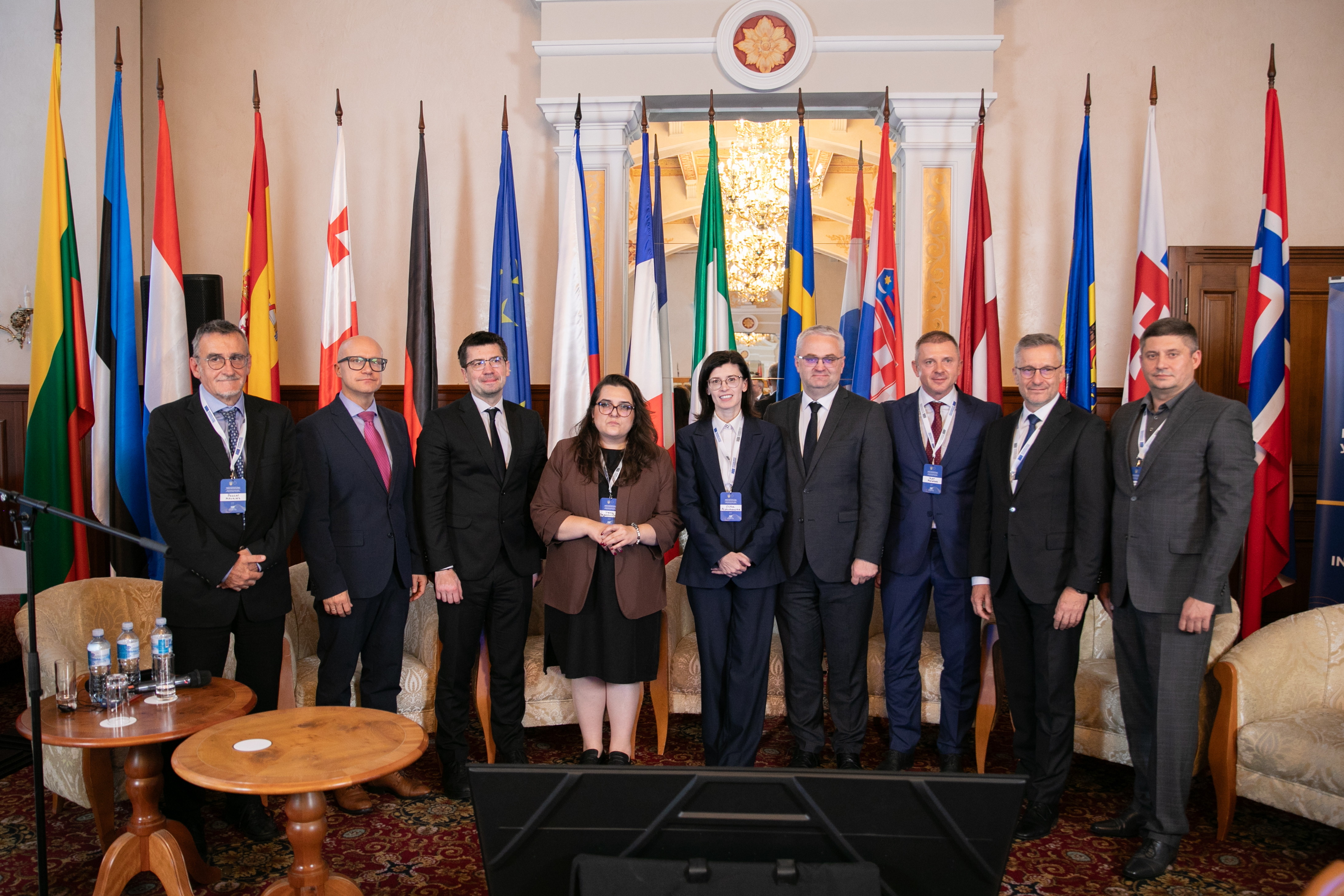 Auditor General Director Irena Segalovičienė and Deputy Auditor General Živilė Kindurytė participated in an international forum organised by the Ukrainian Accounting Chamber in Kyiv “The Future of Public Audit in Times of Global Challenges“ and met with Inga Stanytė-Toločkienė, Ambassador of the Republic of Lithuania to Ukraine.
Forum topics and Lithuania’s messages
At the forum, heads and representatives of the supreme audit institutions (SAIs) of 18 countries, international experts, and representatives of the Verkhovna Rada and the Government of Ukraine, as well as EU institutions, sought solutions to ensure the independence and impact of public audit and the resilience of the state in times of crisis. The Heads of the SAIs of Lithuania, Poland, Estonia and Latvia, as well as the Vice-President of the Slovak SAI, attended the event in Kyiv in person, while representatives from other countries joined the discussions remotely.
Participants at the international forum focused primarily on audit independence and operations during crises, the resilience of public finances, the implementation of recommendations and the sustainability of changes.
During the third session of the forum, “SAI Recommendations in Times of Crisis: From Implementation to Impact“, the Auditor General presented Lithuania’s experience in assessing the state’s preparedness to protect citizens from external threats and audit recommendations regarding the modernisation of military equipment.
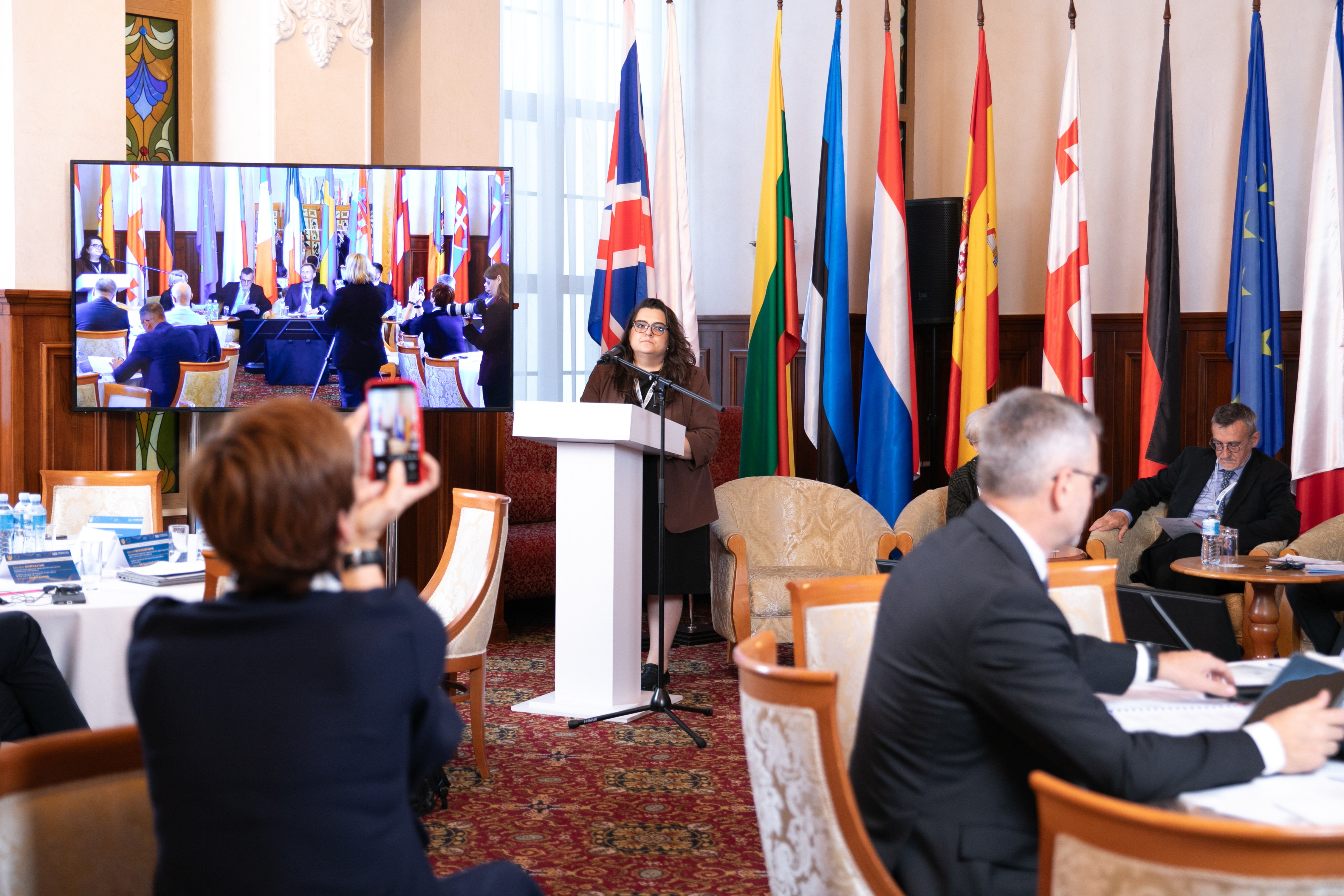 “When assessing the state’s resilience and preparedness for threats, the traditional audit approach – economy, efficiency and effectiveness – is no longer sufficient today. In the face of a crisis, when planning audits, carrying them out and formulating recommendations, we consciously focus on a systemic question: is the state prepared for threats? Over the past year and a half, while auditing defence finances, military acquisitions, procurement, early warning systems and shelters, the national reserve and civil resistance, we have consciously sought to assess the state’s resilience in a comprehensive manner. For the audit to genuinely help strengthen this preparedness, it is critically important to formulate impact-oriented recommendations, the successful implementation of which requires intensive dialogue and constructive cooperation with the audited entities. Only in this way can the audit findings be transformed not into a formal document, but into timely decisions and real changes that strengthen the state’s resilience, “ emphasised Auditor General Irena Segalovičienė.
The Auditor General shared Lithuania’s experience of defence audits with the international colleagues, demonstrating that increased funding does not in itself create defence capabilities due to systemic management shortcomings. Therefore, in its recommendations, the National Audit Office proposed establishing new methodological practices and making it mandatory to calculate indicators of defence capability development. It placed particular emphasis on the importance of publicising the recommendations and progress made in their implementation and presented innovative Lithuanian solutions in this area: the National Audit Office’s Audit Recommendation Implementation System (ARIS) and its latest product – the Public Sector Progress and Risks Dashboard – which provides an interactive overview of the changes taking place in Lithuania and where risks arise, based on data collected by the National Audit Office.
The experience of our Ukrainian colleagues in assessing the time factor is particularly important for the audit community. Under normal circumstances, protracted procedures indicate inefficiency, while in a crisis, delays result in defence capabilities not being acquired in time – capabilities on which the security of the state and its people directly depends. The National Audit Office has also highlighted this issue in its audits of the Lithuanian defence sector – the recommendations emphasise the need to clearly distinguish between the responsibilities of advisory and decision-making bodies and to set strict deadlines for coordination. At the forum, the Auditor General stressed that accountability and speed are not mutually exclusive. According to her, good governance should enable swift and responsible decision-making, rather than paralysing it.
 During the forum, Olha Pishchanska, President of the Accounting Chamber of Ukraine, highlighted the importance of independent audit in strengthening the state in wartime. The experience of the Ukrainian colleagues in working under wartime conditions – from audit planning and duration to the management of classified information – is particularly relevant to the Lithuanian delegation. This experience is valuable in strengthening the National Audit Office’s preparedness for crises.
“The professional resilience and leadership of our Ukrainian colleagues command great respect. Their ability to ensure business continuity and maintain their commitment to operating in accordance with the international standards of supreme audit institutions demonstrates a high level of professional dedication; however, to do so in the midst of a devastating war is a true institutional feat. The Ukrainian Accounting Chamber demonstrates that transparency, accountability and international audit principles remain a solid foundation for the state even in the face of crisis,“ says Auditor General Segalovičienė.
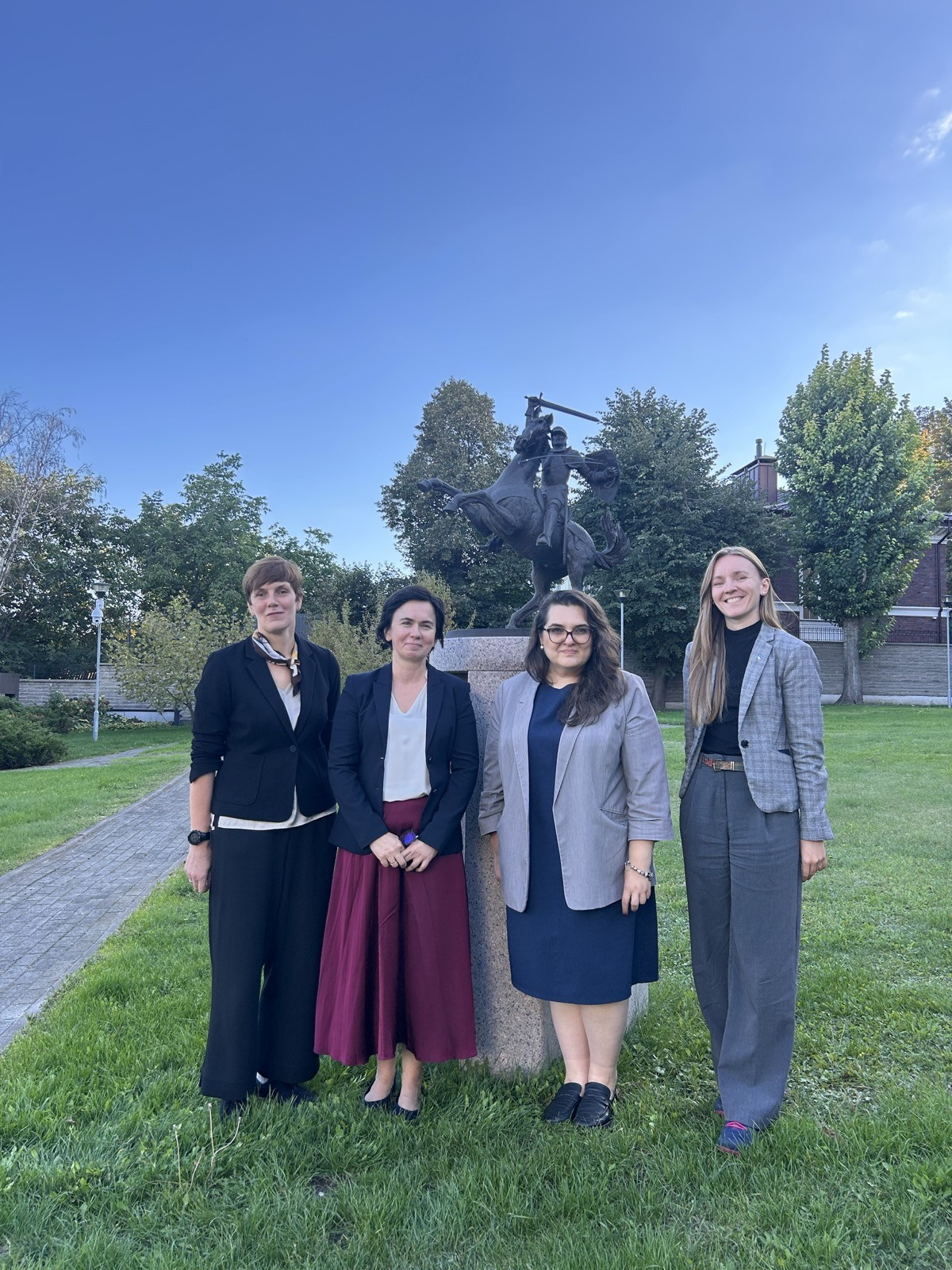
Meeting at the Lithuanian Embassy
vices for Lithuanian citizens. The National Audit Office audited this area last year and was therefore interested in how the quality of services is ensured in wartime conditions. They also discussed Lithuania’s support for Ukraine, the challenges arising and the embassy’s role in coordinating this support.
“It is crucial for us how the state looks after its citizens, especially in the face of a crisis, so we were interested in how the embassy provides consular services and organises its work. We can see that it is operating under truly difficult conditions. It was important to hear that support for Ukraine is being provided not only at the political level, but also through cooperation between independent institutions and state officials; therefore, the professional relationship with Ukraine’s Supreme Audit Institution is of great mutual significance,“ said the Auditor General.