


2026-09-24
 The audit carried out by the National Audit Office, entitled “Preparation of Citizens of the Republic of Lithuania for Civil Resistance", won the EUROSAI Working Group on Municipality Audit (WGMA) annual award for the best municipal audit under the category of "Impact on governance and citizens". The international award was presented on 24 September at the 10th anniversary annual WGMA meeting held in Bucharest (Romania).
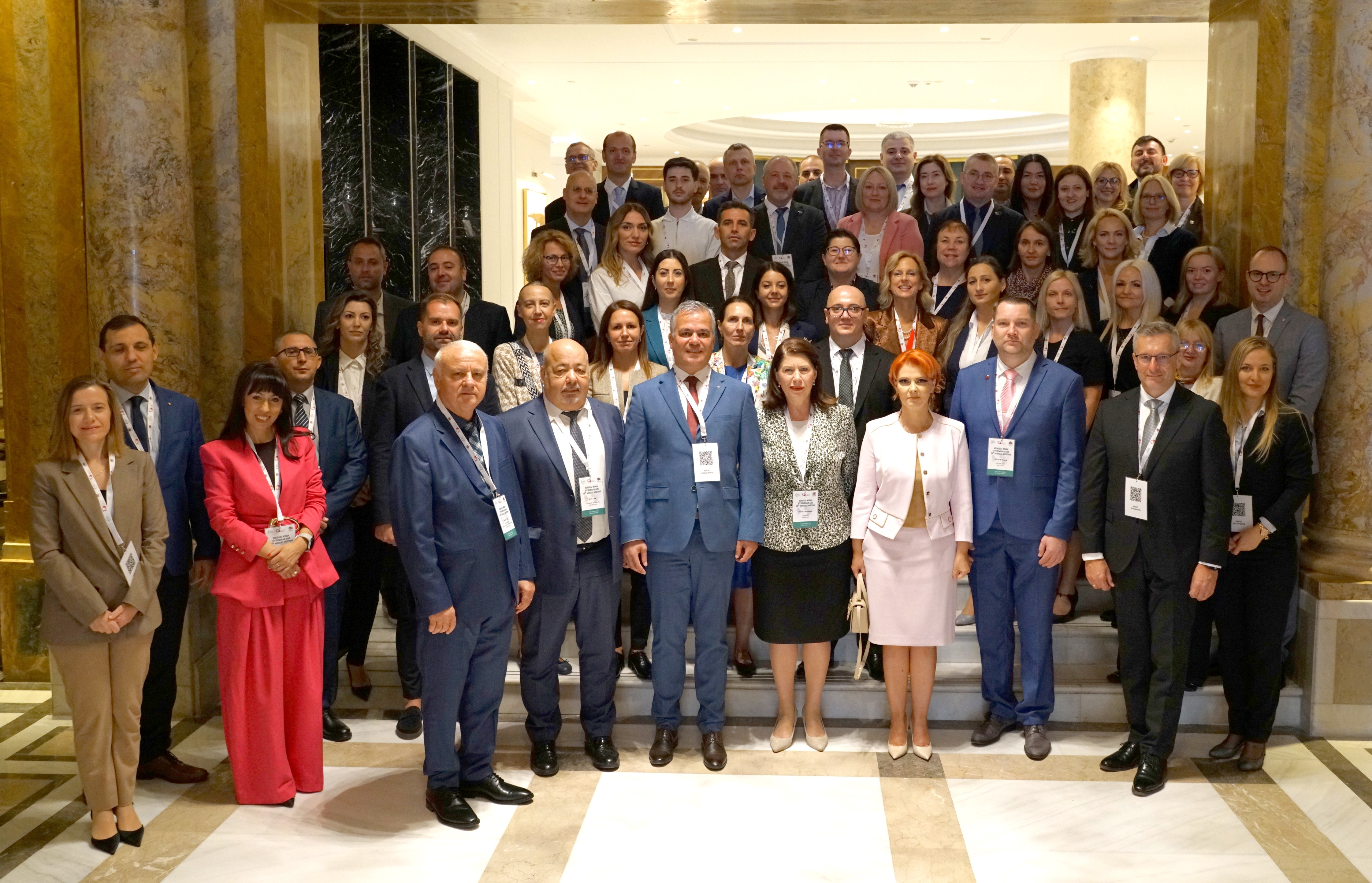 The WGMA Award was established to promote excellence in municipal audits, highlight exemplary audit practices and encourage innovative audit methods. The aim of this award is for the winning audit to serve as a professional benchmark and source of inspiration for supreme audit institutions (SAIs) in other European countries.
The award-winning audit is already changing the public’s preparedness for crises
The issue of preparing citizens and building national resilience is of vital importance in today’s geopolitical context. The audit carried out in 2025, entitled “Preparation of citizens of the Republic of Lithuania for civil resistance”, assessed whether appropriate conditions are in place in Lithuania for the population to prepare for unarmed civil resistance. Although the assessment covered the national level, particular attention was paid to local government – after all, real preparedness for crises takes place where people actually live, work, and build their communities.
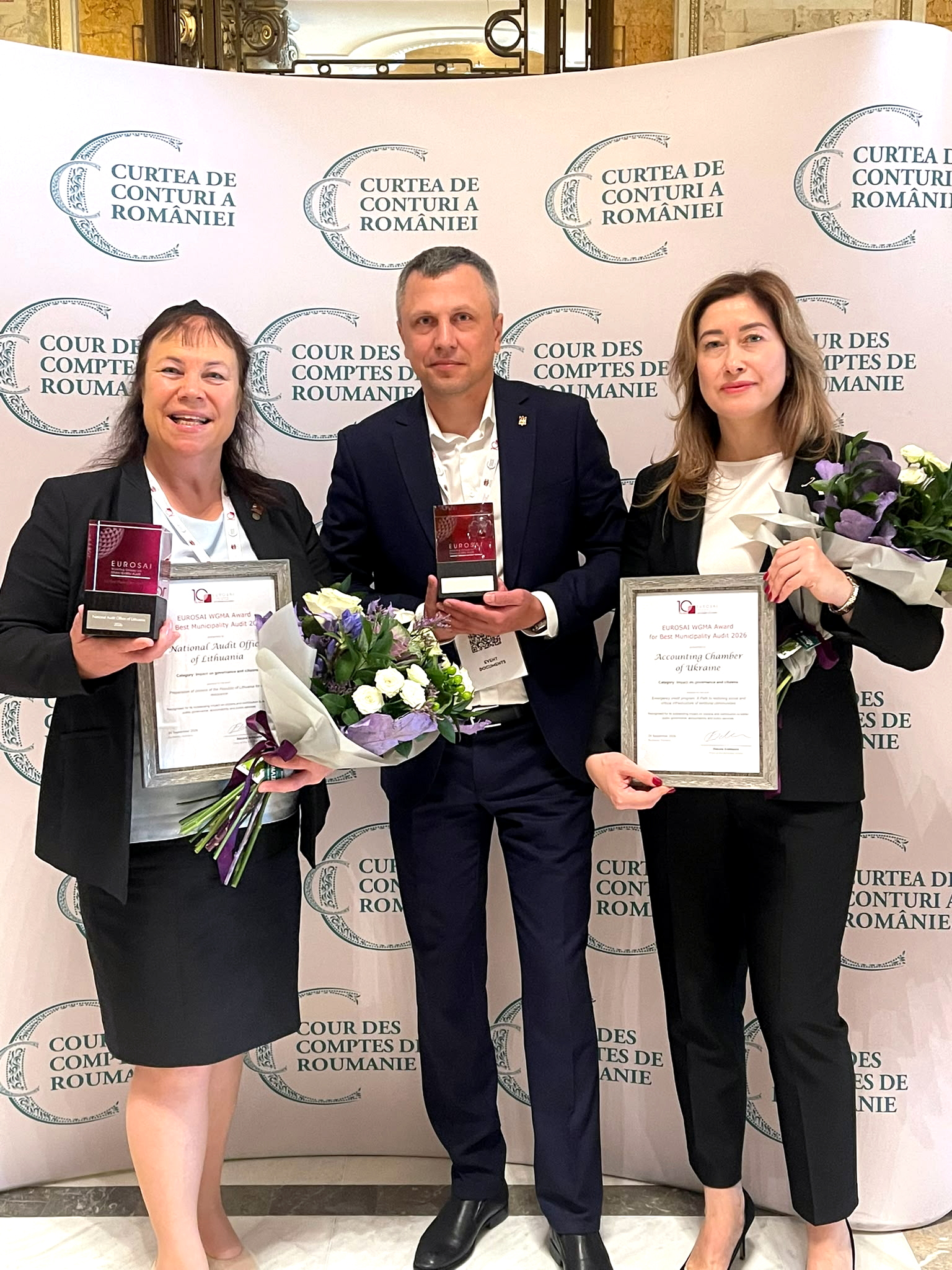 The audit found that there was still a lack of coordination between institutions and non-governmental organisations in the implementation of measures relating to civil resistance, and that the opportunities provided for the public to acquire knowledge and skills were insufficient. For example, adult training took place in only half (31 out of 60) of the country’s municipalities, and local authorities lacked reliable data on residents who would require assistance in the event of a crisis.
The audit’s findings and recommendations are already producing concrete results: taking them into account, the Government has approved the implementation plan for the 2026–2030 strategy for preparing citizens for civil resistance. The plan provides for the practical strengthening of the population’s skills through cooperation between municipalities and non-governmental organisations, as well as the expansion of training programmes to make them more accessible to all residents.
The audit results have also attracted considerable interest from the international community – during the WGMA meeting, Aurelija Brukštutė, Head of the Planning and Impact Department, presented the audit experience and findings. The audit has been presented at several different EUROSAI seminars and in newsletters, and the European Court of Auditors has taken an interest in its findings.
Focus on the financial autonomy of local authorities
At the event held in Bucharest on 22–24 September, European audit experts also discussed municipal financial autonomy and own-source revenue. This issue remains particularly relevant in Lithuania as well.
Back in 2019, the National Audit Office carried out an audit entitled “Does the System of Municipal Functions and their Funding Provide Conditions for Efficient Operation?”, in which it recommended reviewing the system for funding these functions and assessing alternatives that would encourage municipalities to operate more efficiently. Although this recommendation has not yet been implemented, the Government has committed to carrying out an assessment of municipal functions and reviewing their funding model by 2030; the National Audit Office therefore continues to monitor this area.
The WGMA was established in 2016 at the initiative of the National Audit Office, who chaired it until 2024, when the chairmanship was handed over to the Latvian SAI. Today, the WGMA is a platform for professional cooperation and the exchange of experience, whose mission is to share best practices in municipal audit. Its strategic objectives include strengthening professional cooperation in the field of local government audit and disseminating practical experience, methods, innovative measures and technologies. Twenty-seven European SAIs participate as full members of the working group, while two institutions have been granted observer status.